Flooring choice starts with lifestyle, not colour
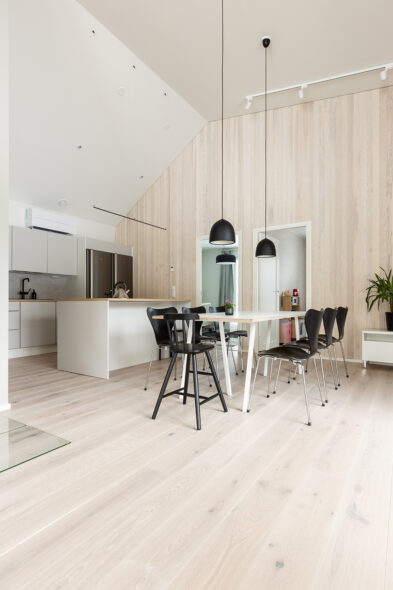
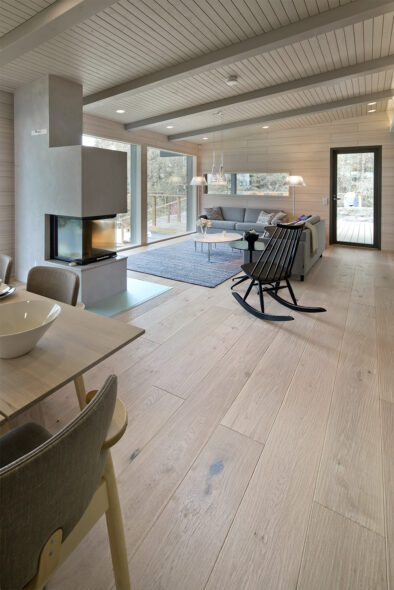
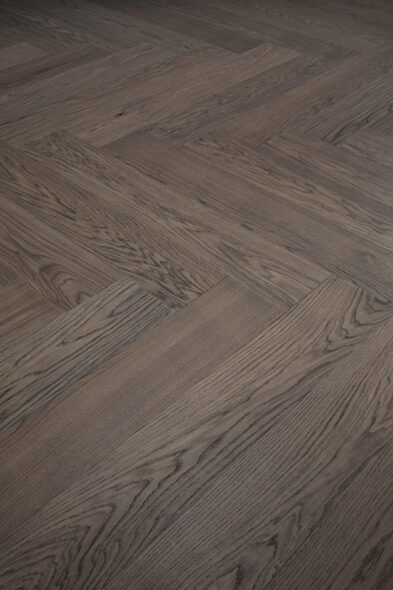
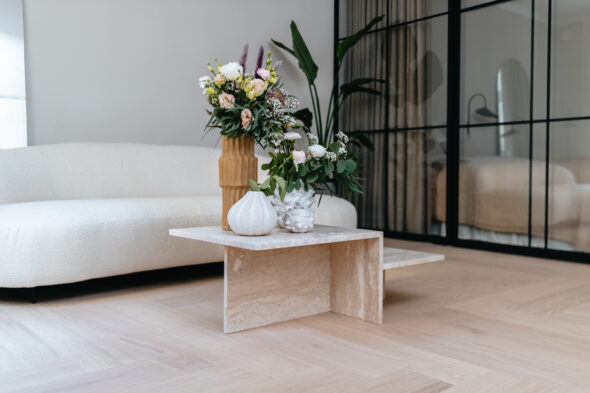
For many Finns, wood is still the “right” floor. It’s a value choice and the reasons are understandable: wood is a natural material, breathable and timeless in appearance. According to Myllymäki, wood is suitable when you want a genuine material and are prepared to accept its behaviour in different conditions.
However, the challenges of wood are highlighted by the demands of everyday life. In the kitchen, splashes and grease, and in the hallway, damp and sand quickly wear away at the wood surface. In families with children and pets, marks are easily visible.
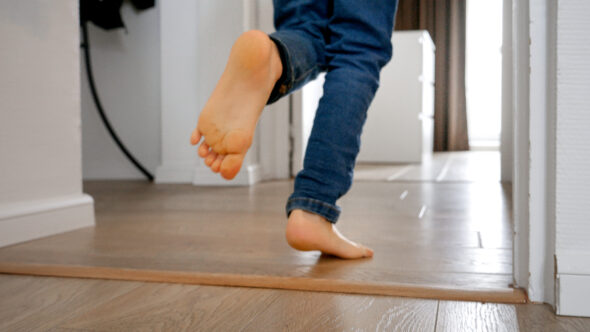
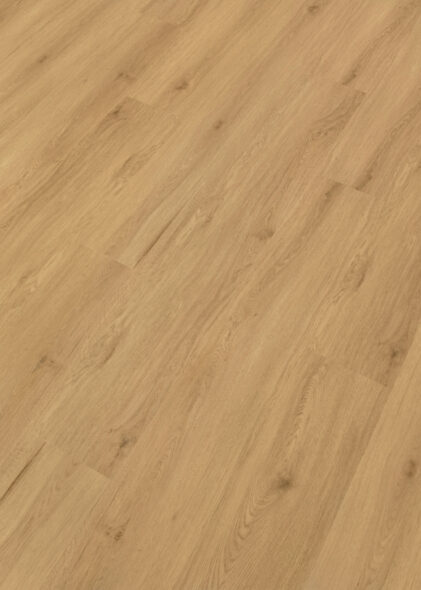
If you want a floor that is carefree and easy to maintain, vinyl is a much more practical option. The HARDER range has been developed specifically for areas where the floor is subject to high mechanical and moisture stress: it is impact and water resistant, feels warm to the feet and does not require special care. Vinyl has also practically replaced laminate, as the two are now close in price, but vinyl is more usable.
In cottages and guest houses, the flooring material is also subject to temperature fluctuations. Unlike wood, vinyl is designed so that it can be used in cold temperatures without damaging the floor.
Flooring problems are often linked to the foundation and installation
Most of the problems with floors are not related to the material itself, but to what happens under the floor and how the floor is installed.
“95% of complaints about parquet and vinyl flooring are due to the concrete not being levelled,” says Myllymäki.
Failure to check the straightness of the subfloor will result in potholes and height differences in the concrete going unnoticed. The floor slab will sag, stressing the lock points and resulting in creaking, cracking and creaking – problems that cannot be fixed without dismantling the floor. The wrong underlay material makes matters worse: cheap cellular plastic flexes too much and causes the same phenomenon.
Another typical mistake occurs when kitchen furniture is installed directly on top of a floating floor. The floor needs to be allowed to live and if a heavy island squeezes it, the board will not move properly with the temperature. The solution is simple: no actual flooring material should be installed under fixed furniture.
Flooring for everyday life
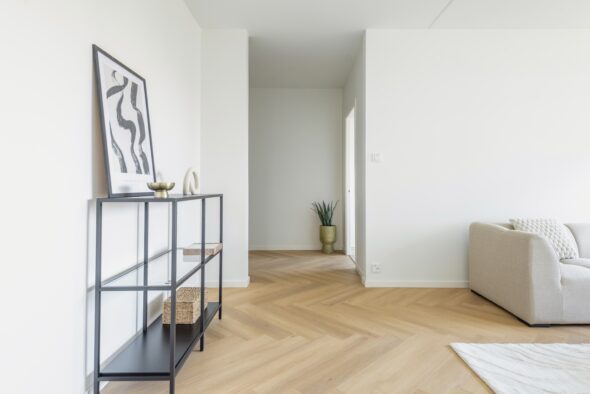
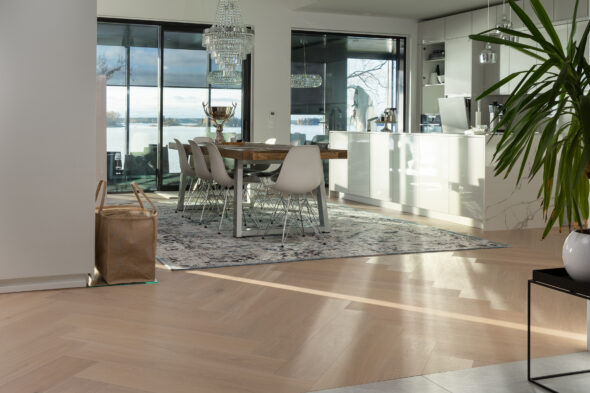
Colour trends are changing – from white to grey to natural oak – and plank sizes are changing with the times. According to Myllymäki, trends are an interesting part of interior design, but not a decisive one. The flooring in a kitchen, hallway or a heavily used space should not be chosen for its fashion, but for the kind of use the material will be subjected to.
Choosing a floor becomes easier when the decision is based on how the space is actually lived in. Wood flooring works perfectly when you want it to look natural and are prepared to accept its living nature. Vinyl, on the other hand, serves situations where you want the floor to withstand moisture, pets, active daily life or large temperature fluctuations.
“I hope that people will make a choice based on how they live. Then the floor will work for years without any unnecessary surprises,” says Myllymäki.